 The computer is one of the wonders of human ingenuity, even in its original design in the 1950's to carry out complicated mathematical logical operations. With the invention of the microcomputer (now commonly referred to PCs or Personal Computer), the PC has become the tool for programmed instruction.
Educators saw much use of the PC. It has become affordable to small business, industries and homes. They saw its potential for individualization in learning, especially as individualized learning is a problem since teachers usually with a class of forty or more learners. They therefore devised strategies to use the computer to the break the barriers to individualized instruction.
On the other hand, the student in CAI play their own roles as learners as they:
 During the computer activity proper in CAI the computer too plays its roles as it:
CAI Integrated with Lesson
CAI computer learning should not stop with the drill and practice activities of students in effect, CAI work best in reinforcing trough repetitive exercise such that student can practice basic skills or knowledge in various subject areas. Common types of drill and practice programs include vocabulary building, math facts, and basic science, and history or geography facts.
SIMULATION PROGRAM

Simulation software materials are another kind of software that is constructivist in nature.
This simulation software:
 Decision-making involve such factors as budget, crime, education, transportation, energy resources, waste disposal,business/ industry.
INSTRUCTIONAL GAMES

While relation to low-level learning objectives (e.g. basic spelling or math skills), instructional computer games add the elements of competition and challenge.
An example is GeoSafari which introduce adventure activities for Geography History and Science. The programs can be played up to four players to form teams.
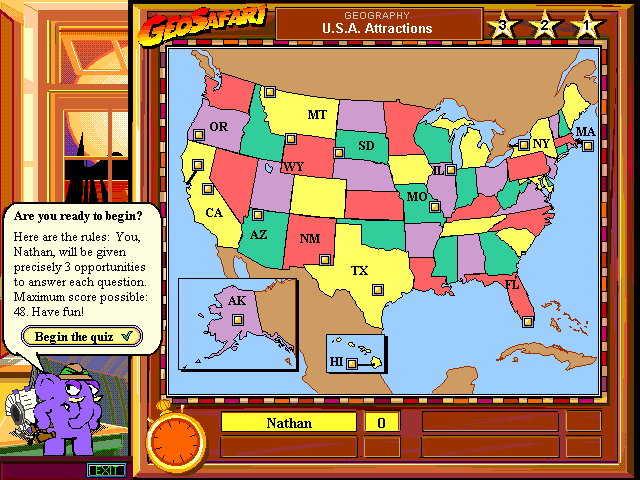

These are more sophisticated than the drill and practice exercises and allow students to learn and improve on their problem solving ability. Since problem cannot be solved simply by memorizing facts, the students have to employ higher thinking skills such as logic, recognition, reflection, and strategy-making.
The Thinking Things 1 is an example of a problem solving software in which the team learners must help each other by observing comparing.

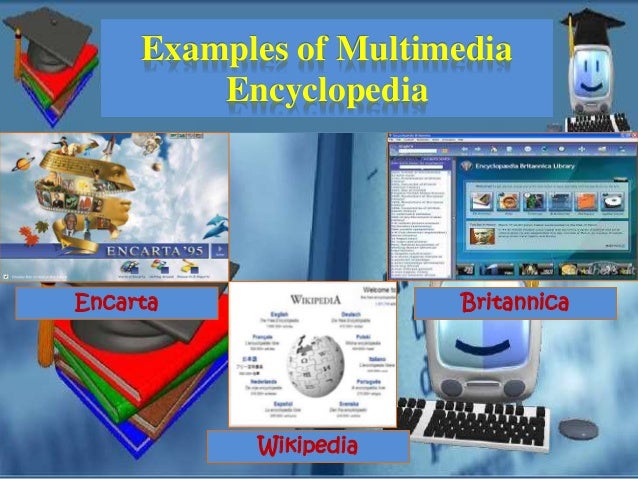
The multimedia Encyclopedia can store a huge database with texts, images, animation, audio and video. Students can access any desired information, search its vast contents, and even download/print relevant portions of the data for their composition or presentation.
An example is the Eyewitness Children's Encyclopedia.
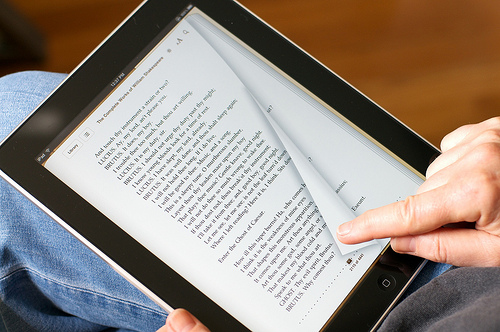
Electronic Books provide textual information for reading, supplemented by other types of multimedia information (sounds, spoken words, pictures, animation). These are useful for learning reading, spelling and word skills.
COMPUTER-ASSISTED INSTRUCTION
The computer can be a tutor in effect relieving the teacher of many activities in his personal role as classroom tutor. It should be made clear, however, that the computer cannot totally replace the teacher shall continue to play the major roles of information deliverer and learning environment controller. Even with the available computer and CAI software, the teacher must:
- Insure the students have the needed knowledge and skills for any computer activity.
- Decide the appropriate learning objective.
- Plan the sequential and structured activities to achieve objectives.
- Evaluate the student's achievement by ways of test the specific expected outcomes
On the other hand, the student in CAI play their own roles as learners as they:
- Receive information
- Understand instruction for the computer activity
- Retain/keep in mind the information and rules for the computer activity
- Apply the knowledge and rules during the process of computer learning
 During the computer activity proper in CAI the computer too plays its roles as it:
- Act as a sort of tutor ( the role traditional played by the teacher).
- Provides a learning environment
- Delivers learning instruction
- Reinforces learning through drill and practice
- Provides feedback
CAI Integrated with Lesson
CAI computer learning should not stop with the drill and practice activities of students in effect, CAI work best in reinforcing trough repetitive exercise such that student can practice basic skills or knowledge in various subject areas. Common types of drill and practice programs include vocabulary building, math facts, and basic science, and history or geography facts.
SIMULATION PROGRAM
Simulation software materials are another kind of software that is constructivist in nature.
This simulation software:
- Teacher strategies and rules applied to real-life problems/simulations.
- Asks students to make decision on models or scenarios.
- Allows students to manipulate elements of a model and gets the exercise of the effects of the effects of their decisions.
INSTRUCTIONAL GAMES
While relation to low-level learning objectives (e.g. basic spelling or math skills), instructional computer games add the elements of competition and challenge.
An example is GeoSafari which introduce adventure activities for Geography History and Science. The programs can be played up to four players to form teams.
PROBLEM SOLVING SOFTWARE
These are more sophisticated than the drill and practice exercises and allow students to learn and improve on their problem solving ability. Since problem cannot be solved simply by memorizing facts, the students have to employ higher thinking skills such as logic, recognition, reflection, and strategy-making.
The Thinking Things 1 is an example of a problem solving software in which the team learners must help each other by observing comparing.
MULTIMEDIA ENCYCLOPEDIA AND ELECTRONIC BOOKS
The multimedia Encyclopedia can store a huge database with texts, images, animation, audio and video. Students can access any desired information, search its vast contents, and even download/print relevant portions of the data for their composition or presentation.
An example is the Eyewitness Children's Encyclopedia.
Electronic Books provide textual information for reading, supplemented by other types of multimedia information (sounds, spoken words, pictures, animation). These are useful for learning reading, spelling and word skills.

Walang komento:
Mag-post ng isang Komento